Blindness & literacy
Braille, assistive technology, orientation and mobility, the Expanded Core Curriculum, and the presumption of competence.
 AdvocateDadCO
Western Colorado · Family resources and systems change
#AdvocateDad
From Western Colorado to the national table
Rob and Isabelle Harris bring lived experience with blindness, special education, rural access, and transition to advocacy for accountable education policy.
“Braille is not dead.”
Rob Harris · U.S. Department of Education Office of Special Education Programs (OSEP) public remarks
After Washington · October 2026
Our Washington record includes Isabelle’s self-advocacy, braille and tactile access, and resources families can use at home. Read what is documented, what needs follow-through, and how to take part.
Medicaid & accountability · Prepared testimony
Rural families cannot be the state’s unlimited unpaid backup workforce. My prepared comments to the Colorado Commission on Medicaid call for workable staffing plans, accessible exceptions, and public reporting on whether people actually get care.
From the blog · October 29, 2026
What the Medicaid medical-frailty ruling changes, what remains, and why Colorado implementation matters for families.
The mission
I did not set out to become an advocate. I became one because my daughter deserved access, opportunity, and a future shaped by her abilities—not by low expectations or inaccessible systems.
Today, I bring a parent’s persistence, a systems thinker’s eye, and years of lived experience to every table where decisions about disabled people are made.
— Rob Harris, father, caregiver & advocate
AdvocateDadCO’s continuing mission
These are AdvocateDadCO’s permanent systems-change priorities. They shape work in Colorado and nationally, but they are not three additional Congressional asks for this D.C. delegation.
Make timely Braille, accessible instructional materials, assistive technology, orientation and mobility (O&M), and Expanded Core Curriculum instruction an expectation—not an exception families must repeatedly fight to obtain.
Strengthen the pipeline of teachers of students with visual impairments (TVIs), certified orientation and mobility specialists (COMS), interveners, and related professionals, with specific solutions for rural communities where distance and shortages compound inequity.
Include disabled young people and families meaningfully in policy design, implementation, evaluation, and oversight—not only after decisions have already been made.
A parent. A purpose. A push for change.
Listen to Rob's story, or read the full transcript below.
Explore our family storyLength: about 3 minutes 3 seconds. Use the player to play, pause, adjust volume, or move through the recording. Audio starts only when you choose to play.
Download Rob's story (MP3, 2.8 MB) Download the full transcript (text)
Hey there, I'm Rob Harris, and welcome to AdvocateDadCO. I'm a dad, a husband, a caregiver, and an advocate. But more than anything, I'm somebody who believes that when a system isn't working, we have a responsibility to ask why. And sometimes, we have to do something about it. Now, I've been doing this for a long time, and I'll tell you something. Advocacy isn't always about standing behind a microphone, walking into a government office, or meeting with somebody in Washington, D.C.
Sometimes, advocacy happens at the kitchen table. Sometimes, it's a parent sitting up at midnight trying to figure out why their child isn't getting the services they need. And sometimes, it's just asking one simple question. Why? Why does this have to be so complicated? Why are families expected to understand systems that even the people running them struggle to explain? And here's another question.
Who exactly is accountable when those systems fail? Now, don't get me wrong. I've met some extraordinary people working inside these systems. Dedicated teachers, nurses, therapists, public servants, and professionals who genuinely care. But good people working inside a broken system don't automatically make that system work. That's where advocacy comes in. My daughter Isabelle is blind. She's also one of the reasons I've spent so many years learning about education, disability policy, assistive technology, and the complicated world of services and supports.
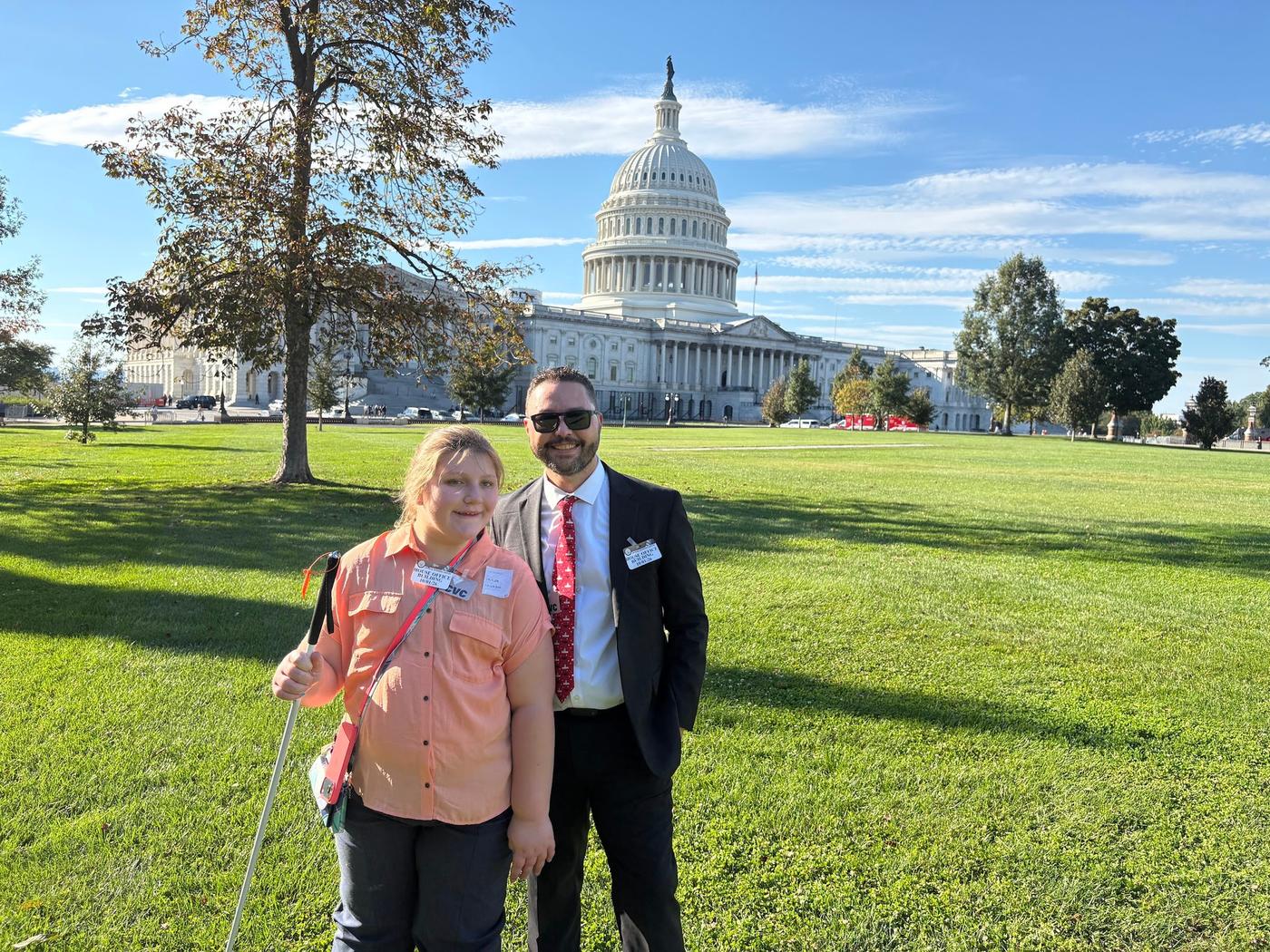
And you know what? She's taught me more about determination than just about anybody I've ever met. Recently, we traveled together to Washington, D.C. where we joined other advocates to talk about something that matters deeply to our families. Access, opportunity, and the future of special education. Standing in those halls, talking with people who helped shape national policy, I couldn't help but think about how far we've come.
But I also thought about the families who couldn't be there, the parents who are exhausted, the young adults who are trying to find their own voices, the caregivers who are doing everything they can just to make it through another day. Those are the people I carry into these conversations. And here's something I believe. You don't need a fancy title to make a difference.
You don't need to know every law, every regulation, or every acronym. You need to be willing to learn. You need to ask questions. And when something doesn't make sense, you need the courage to say so. Now, does that mean we always get it right? Heck no. I've made mistakes. I've learned lessons the hard way. And I've certainly had conversations where I walked away thinking, well, that could have gone better.
But that's life, isn't it? We learn, we adjust, and we keep moving forward. Because at the end of the day, this isn't about politics. It's not about getting credit. And it sure isn't about winning arguments on the internet. It's about people. It's about making sure a child who is blind has access to the tools they need to learn. It's about making sure families aren't buried under paperwork.
And it's about holding government and institutions accountable for the promises they make. That's what AdvocateDadCO is about. Practical information, honest conversations, a little humor along the way, and a whole lot of determination. So whether you're a parent, a professional, a policymaker, or somebody who's just trying to figure out where to start, I'm glad you're here. Pull up a chair, ask a question, challenge an idea, because your voice matters.
And together, we might just make these systems work a little better. Thanks for listening. I'm Rob Harris, and this is AdvocateDadCO.
Experience behind the mission
Featured story
How Project INSPIRE’s braille STEM resources helped Isabelle’s education, gave her father evidence when advocacy alone wasn’t enough, and became part of the story behind our federal advocacy.
Read the StoryThe work
From one family’s fight for access to statewide and national systems change.
Braille, assistive technology, orientation and mobility, the Expanded Core Curriculum, and the presumption of competence.
Helping families navigate individualized education programs (IEPs) while pushing schools toward meaningful access, accountability, and ambitious outcomes.
Centering families in decisions about home- and community-based services, caregiver supports, assessments, and public accountability.
Creating room for blind and low-vision young people to build confidence, self-determination, interdependence, and their own public voice.
Washington, D.C. · Federal education advocacy
Rob and Isabelle brought lived experience to Washington. The continuing work connects the public policy asks to specialized instruction, rural access, and practical resources for families.
Washington, D.C. advocacy
Fall 2026 · Trip completed
Rob connects federal infrastructure to family, rural, and implementation realities. Isabelle speaks as a blind young-adult self-advocate.
Photo & video albums
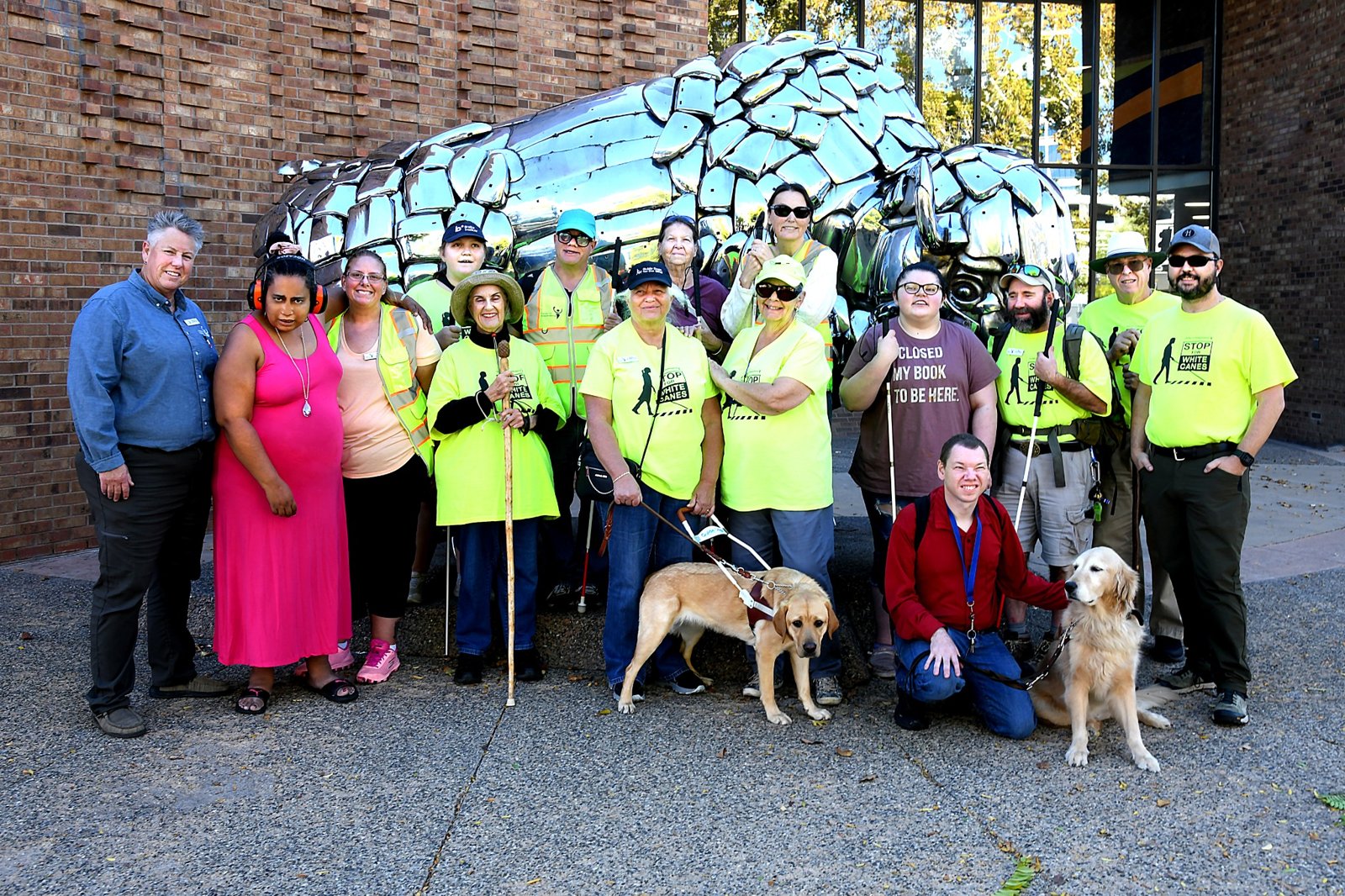
Our work in photos and video: advocacy, community, and access in practice. This collection will grow with albums from our work over the years.
ADVOCACY THROUGH THE YEARS
Featured as an “Access Warrior,” I carry a simple message: families and people with disabilities belong in the room before decisions are made. We keep asking the uncomfortable questions and challenging barriers until access and meaningful participation are part of everyday life.
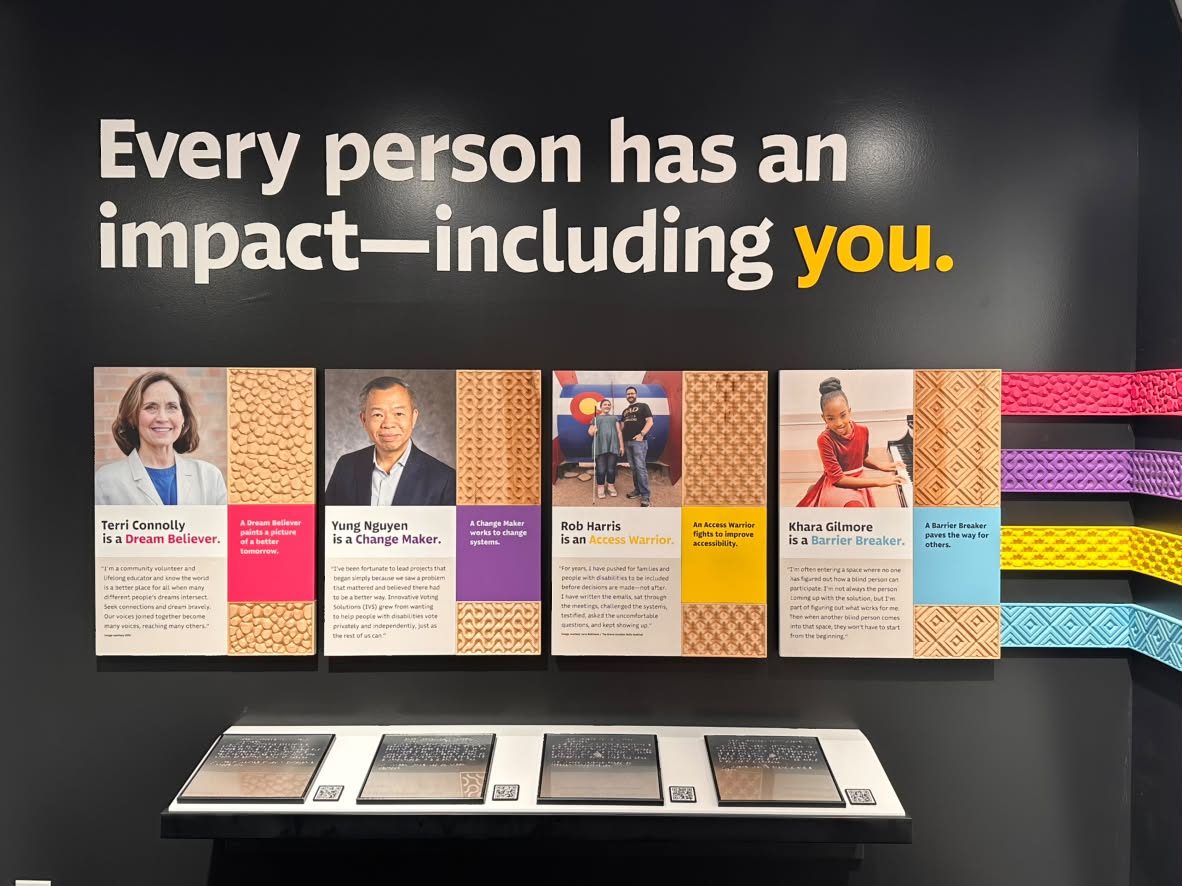
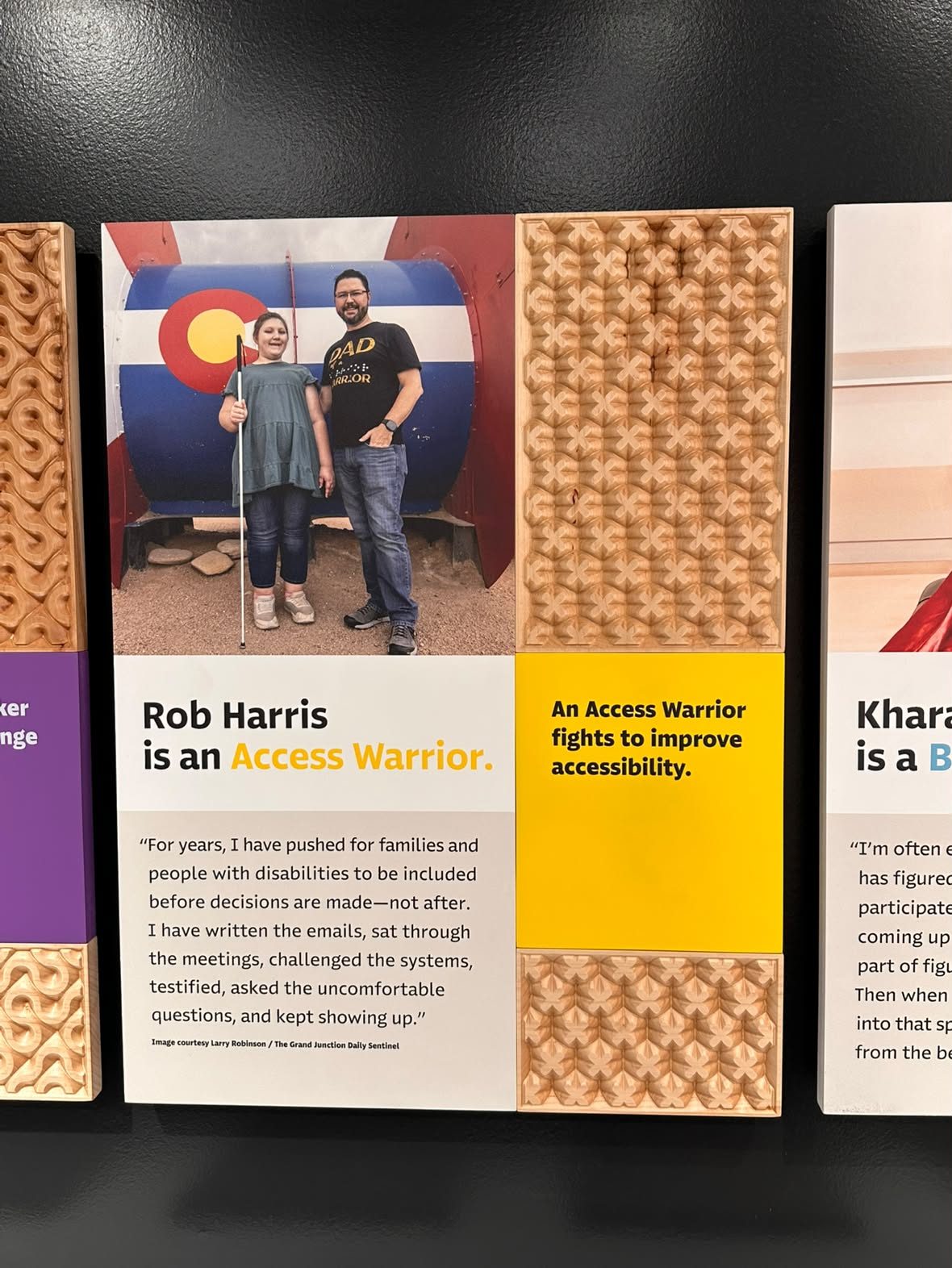
An Access Warrior fights to improve accessibility.
“For years, I have pushed for families and people with disabilities to be included before decisions are made—not after. I have written the emails, sat through the meetings, challenged the systems, testified, asked the uncomfortable questions, and kept showing up.”
Image courtesy Larry Robinson / The Grand Junction Daily Sentinel
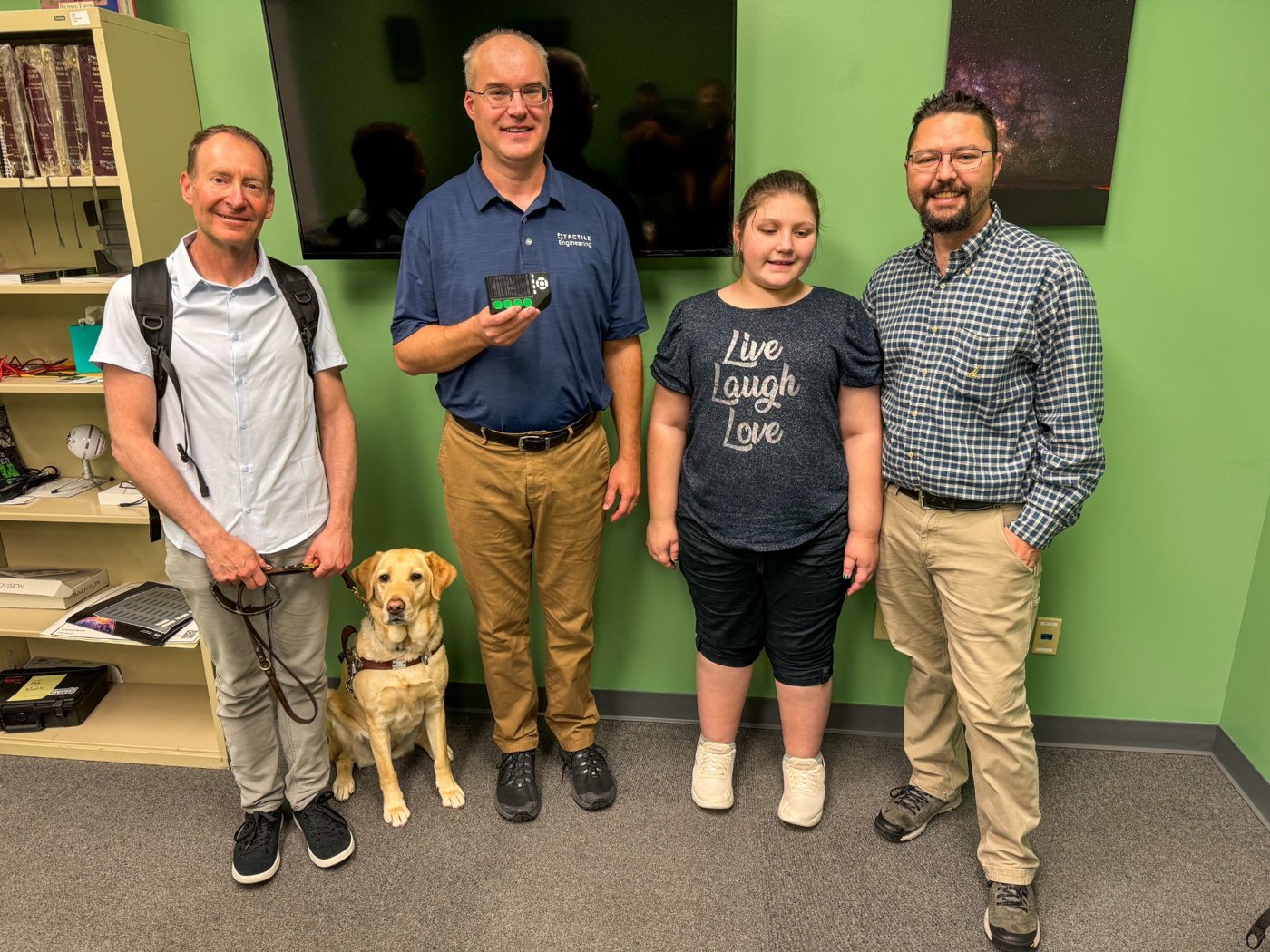
Why Isabelle’s voice matters
Make room for Isabelle’s own voice and meaningful participation in the decisions that shape her future.
“I would like to answer that myself.”
Support or share
Share the public policy asks. Private travel and meeting details will stay private.
Connect with #AdvocateDad
Choose the connection that fits what you need.
Email RobDirect email: Questions, speaking, media, or collaboration
LinkedIn: Connect professionally with Rob Harris
Newsletter: Receive AdvocateDad updates by email
Everyday access
Ask first. Listen. Follow the person’s lead. Find practical ways to offer assistance and improve access at school, in stores, at church, and in the community.
BLV access resources for paraeducators, teachers, and service providers